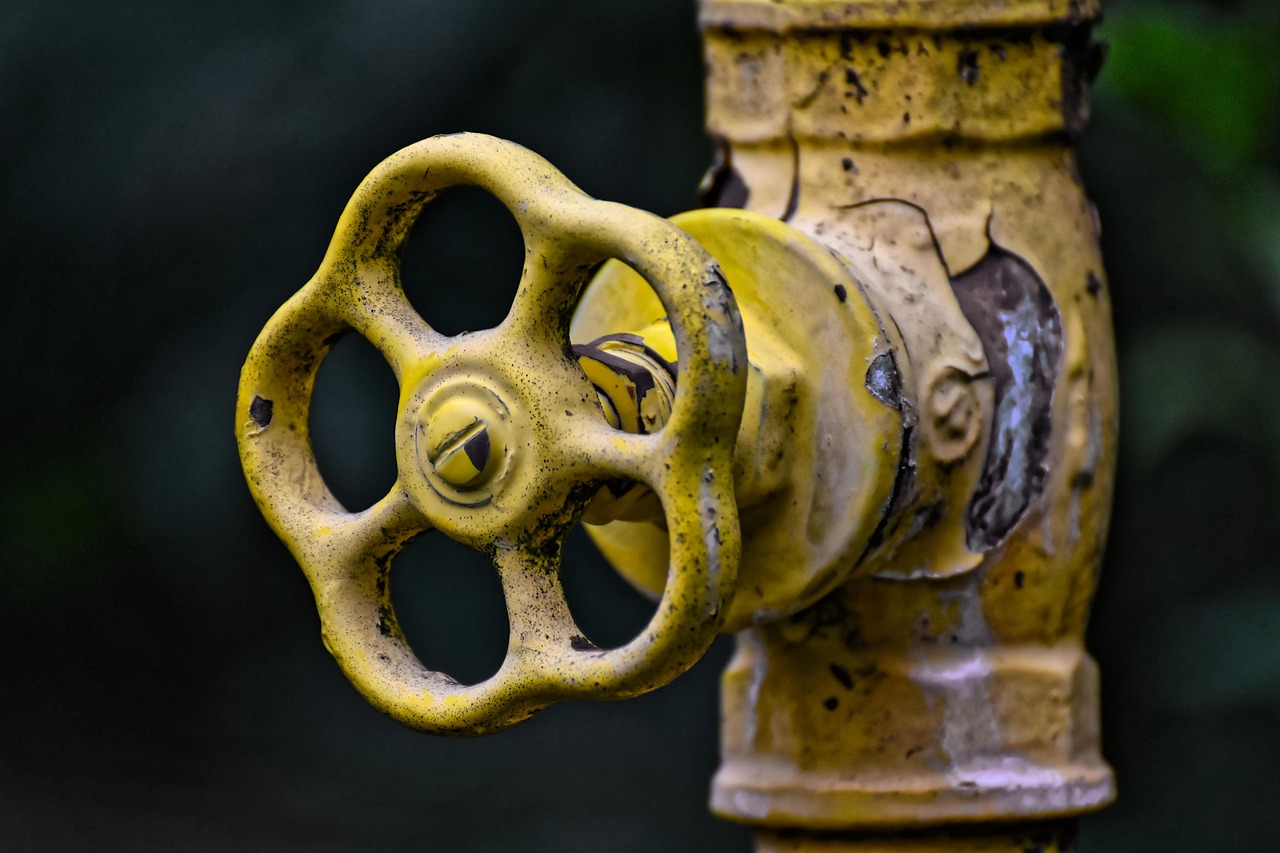
Pinhole & Slab Leaks
Copper pinhole leaks and leaks under the slab in 1950s and 1960s homes, found and dried before floors and walls suffer.
View service (833) 829-0018
Clairemont, San Diego CA
A damp patch on the hallway carpet that turns out to be a pinhole leak in the slab, a water heater that let go in the garage, rain coming through the patio cover in a January storm. One call reaches a local restoration company that can dry the house out.
Have your 5-digit ZIP code ready. A short prompt connects you to a local provider.
Water damage restoration in Clairemont covers stopping the leak, extracting water from carpet, wood and tile, drying slab floors, drywall, cabinets and framing with dehumidifiers and air movers while checking moisture daily, and rebuilding what was removed. Clairemont's mid-century homes most often see copper pinhole leaks, slab leaks, water heater failures, sewer lateral backups and roof leaks during winter storms.
In short
Water damage restoration in Clairemont takes a wet house back to dry and repaired. In these mid-century homes, the water usually comes from aging plumbing: a pinhole in a copper line, a leak in the slab, a water heater rusting through in the garage, a sewer lateral full of roots. Rain is rare in San Diego, but when a winter storm arrives, old roofs and patio covers find out where their weak spots are.
Find the page that fits. Damp floors or a hiss inside a wall is pinhole and slab leaks. A tank leaking in the garage is water heater and garage leaks. Drips during rain are winter storm and roof leaks. Sewage from a drain is sewer lateral backup cleanup. Water extraction and drying is the core of every job, and growth after a hidden leak is mold remediation.
Different parts of Clairemont have their own patterns: canyon-edge homes in North Clairemont and slope homes above Mission Bay in Bay Ho.
Do this now
Close the house valve or the meter valve. For the water heater, close the cold inlet and turn the gas off.
Keep out of water near outlets and cords. Do not stand under a ceiling that sags.
Photograph the water, the source and the rooms before you move things.
Call (833) 829-0018. On a slab, water slides under laminate and carpet and into cabinets fast.
The first thing a crew decides is the water category, because it sets what can be dried and what must go.
Category 1 is clean: a pinhole leak, a supply line, a water heater, fresh rain. Drywall and carpet can often be dried in place.
Category 2 is gray: washer or dishwasher drain water, or clean water that has sat a day or two. More cleaning, and pad usually goes.
Category 3 is black: sewage from a backed-up lateral, or storm runoff that came in across the yard. Porous materials it touched are removed and everything else is disinfected.
Restoration companies covering Clairemont keep crews on call nights and weekends. Most callers get an arrival window on the first call and a visit the same day. During a big winter storm, many homes call at once, so call as soon as you see water.
Say whether the water is from a pipe, the water heater, the roof or a drain. It changes who comes.
Most Clairemont homes sit on slabs. Water from a leak has nowhere to drain, so it spreads sideways under carpet and laminate, into cabinet bases and up drywall. That is why the first visit involves moisture meters and sometimes a thermal camera, not just a look around.
Services
Each page explains one job in plain words and the questions to ask first.
Copper pinhole leaks and leaks under the slab in 1950s and 1960s homes, found and dried before floors and walls suffer.

Tank failures and supply leaks in garages and hall closets, with walls, cabinets and floors dried.
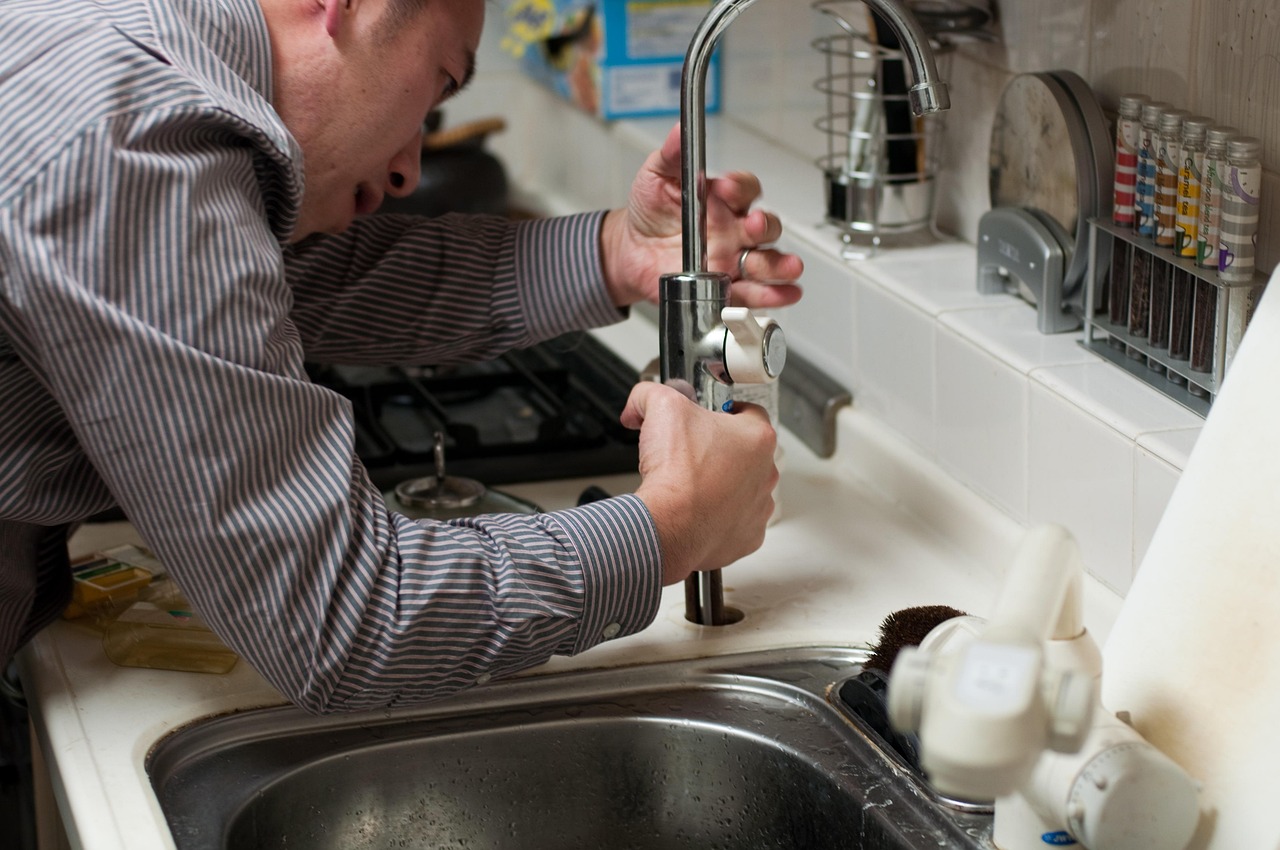
Rain from San Diego's few big winter storms getting through aging roofs, skylights and patio covers.
Sewage from a root-filled or cracked lateral cleaned out of bathrooms and floors and the area disinfected.

Water pulled from carpet, wood and tile, and walls, cabinets and floors dried with daily moisture checks.
Mold from hidden leaks or coastal humidity contained and removed, with the moisture source fixed.
California requires contractors, including plumbers and most restoration and repair work of $1,000 or more in labor and materials, to be licensed by the Contractors State License Board. Look up any company with the CSLB license check before work starts. Ask whether the crew is IICRC trained and for proof of liability insurance and workers' compensation.
Clairemont was built on the mesa north of Mission Bay in the 1950s, one of the largest postwar housing developments in San Diego. Developer Carlos Tavares named it after his wife, Claire, and thousands of modest single-story homes went up between Tecolote Canyon and San Clemente Canyon to house families tied to the Navy, aerospace and the growing city. Clairemont Town Square and the shopping strips along Clairemont Mesa Boulevard and Balboa Avenue followed.
Seventy years later, the houses are solid but the plumbing is old. Many still have original galvanized or copper supply lines, which corrode into pinhole leaks, and clay or cast iron sewer laterals that roots break into. Most homes are on slabs, some on raised foundations with crawl spaces. Water heaters sit in garages or hall closets, strapped for earthquakes. Rain is scarce, so roofs and gutters often go untested until a big winter storm.
Water and sewer service come from San Diego Public Utilities. The city maintains the mains and meters. The owner is responsible for the service line on their side of the meter, all interior plumbing and the sewer lateral.
A careful crew maps moisture in every room near the leak, checks inside cabinets and the garage side of shared walls, explains what can be dried and what must go, and leaves a written plan. They return daily to read meters and adjust, and you get photos and readings for your insurer.
Photograph first, then call your agent. San Diego restoration companies work with insurers every day and many bill directly. Sudden leaks are usually covered; slow leaks often are not; slab leak policies often pay for access and damage but not the pipe; sewer backup and flood need their own coverage.
After drying: drywall, baseboard, paint, flooring and sometimes cabinets. Licensed contractors handle the rebuild and pull permits where needed.
Calls also come from rental homes, small apartment buildings and businesses along Clairemont Mesa Boulevard and Balboa Avenue. Same steps, more coordination with tenants and owners.
Know where your main valve is and make sure it turns. Check the date on your water heater. Watch the meter for movement when no water is running. Those three habits catch most of the leaks that turn into water damage in Clairemont.
A seventy-year-old Clairemont house is built from forgiving materials: a concrete slab, stucco walls, solid framing. With careful drying, almost all of it survives a leak. The pieces that suffer are the soft ones: carpet pad, particleboard cabinet bases and the bottom few inches of drywall. A good crew focuses on those, removes only what will not dry, and keeps the rest.
Ask for the moisture map on day one and the final readings on the last day. They tell you the house is truly dry before new flooring goes down.
Photos
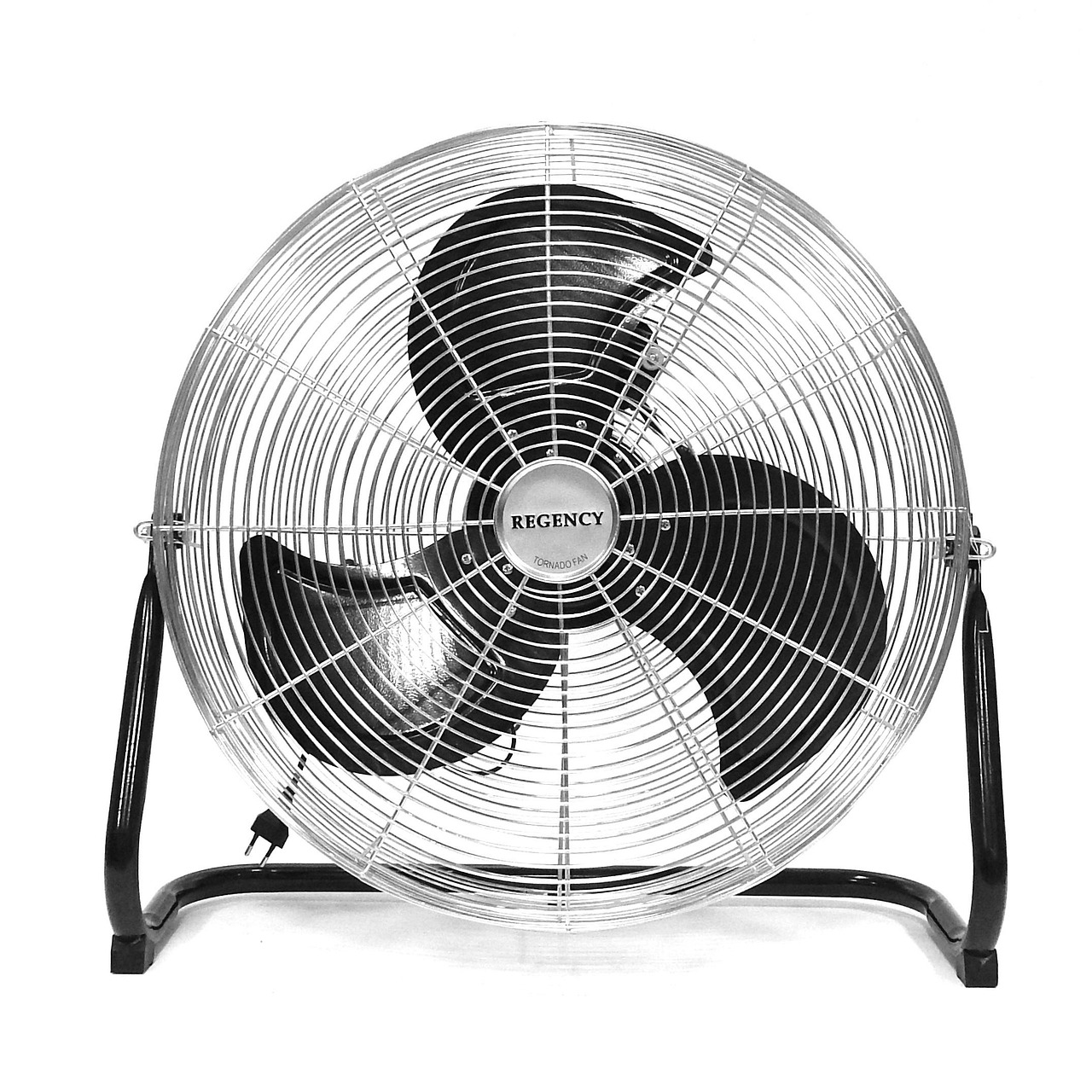
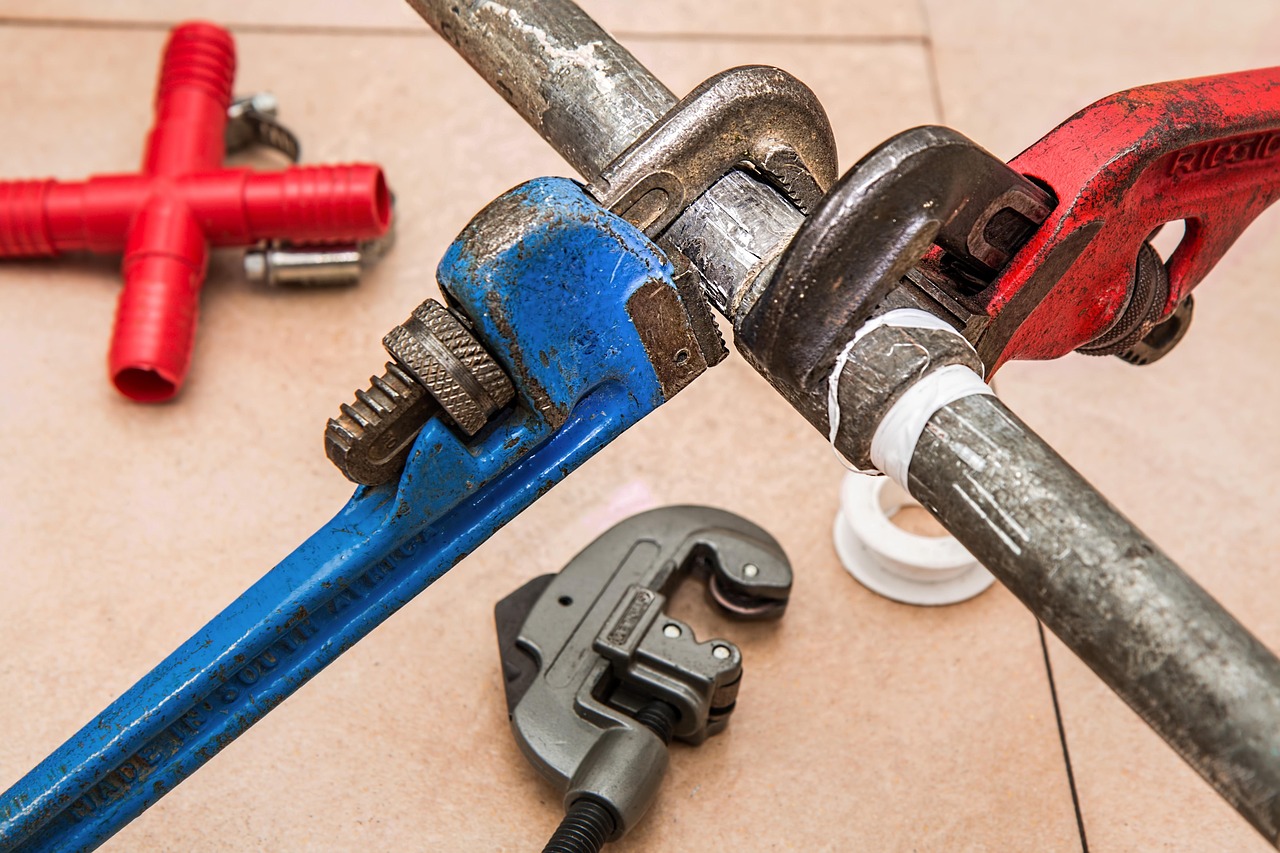
Stock photos that show the kind of work San Diego crews do.
FAQ
Close the main valve. In most Clairemont homes it is on the house where the line comes in, often near the front hose bib or in the garage, with another valve at the meter near the curb. For a water heater, close the cold line on top and turn off the gas. Stay away from wet outlets, photograph, then call.
A tiny hole in copper pipe caused by corrosion. It sprays or seeps slowly, often inside a wall or under the slab, and can soak a large area before you see it.
Many California policies cover the cost of accessing the pipe and the resulting water damage, but not the pipe repair. Read your policy or ask your agent.
Usually three to five days for clean water. San Diego's mild weather helps, but slab floors and cabinets can take longer.
Call a local crew
One call reaches a restoration company that works across Clairemont, from North Clairemont and Bay Ho to the streets around Balboa and Genesee. They explain the plan and the pricing first.
(833) 829-0018Have your 5-digit ZIP code ready. A short prompt connects you to a local provider.